Ophthalmologist · Istanbul
Prof. Murat Hasanreisoğlu, MD
Uveitis, ocular oncology and retina
Murat Hasanreisoğlu is Professor of Ophthalmology at Koç University School of Medicine, Istanbul, and has been Head of its Department of Ophthalmology since 2023. His clinical work covers uveitis, tumors inside the eye and on its surface, medical and surgical retinal disease, and complex cataract and lens surgery. He sees patients by appointment at his private practice in Teşvikiye, Istanbul, including those who come for a second opinion.
Consultations are available in English and Turkish, and the practice answers calls and WhatsApp messages in English. Coming from abroad
Training and appointments
- Current post
- Professor and Head of the Department of Ophthalmology, Koç University School of Medicine, Istanbul
- Qualifications
- Specialist in ophthalmology (Turkey), 2009; Fellow of the European Board of Ophthalmology (FEBO), 2017
- Previous post
- Gazi University School of Medicine, Ankara, 2011–2020 (Lecturer, then Associate Professor from 2016): faculty lead for the Uveitis and Ocular Oncology Unit and consultant in the Retina Unit
- Medical training
- MD, Ankara University, 2001; residency in ophthalmology, Ankara University, 2003–2009
Clinical and research posts abroad
Areas of expertise
Uveitis and ocular inflammation
Uveitis is inflammation inside the eye. It can occur on its own or as part of a systemic disease such as Behçet’s disease; care can then be shared with rheumatology or other specialties. His published work in this area includes interferon alfa-2a for refractory Behçet uveitis and the intravitreal dexamethasone implant in non-infectious uveitis.
Uveitis (in Turkish)Ocular oncology
Assessment and treatment of benign and malignant growths inside the eye and on its surface. Not every spot or lesion found at an eye examination is cancer: the examination and imaging findings show whether it can be watched or needs further tests or treatment. Surgical and radiation treatments include plaque brachytherapy and surgery for conjunctival lesions.
Ocular oncology (in Turkish)Medical and surgical retina
The retina is the light-sensing layer at the back of the eye. Its diseases include diabetic retinopathy and macular edema, age-related macular degeneration, retinal vascular occlusions, retinal tears and detachment, macular holes and epiretinal membranes. Some of these are managed with medication and follow-up; others need vitreoretinal surgery.
Retina (in Turkish)Complex cataract and lens surgery
Cataract surgery in eyes that may need special planning: after previous eye surgery, with retinal disease or a history of uveitis, or where the lens is poorly supported. It also covers surgery for a dislocated intraocular lens, including one that has dropped to the back of the eye.
Eye surgery (in Turkish)These areas often overlap: uveitis can involve the retina, a tumor may be found during a retinal examination, and cataract surgery after uveitis or retinal surgery needs its own planning. Because he works in all of these fields, retinal, inflammatory and tumor findings can be considered in the same assessment.
For patients
Second opinions
Patients seeking a second opinion make up a large part of his practice. You can book a consultation to review a diagnosis, ongoing care or a treatment that another doctor has recommended. The review builds on the working diagnosis, previous investigations and the proposed treatment plan; bringing earlier reports and images helps avoid unnecessary repeat tests.
Coming from abroad
- Book ahead. Appointments are made by phone or WhatsApp on +90 532 626 76 17; calls are answered by the secretary, and you can call or write in English. There is no online booking form.
- Say why you are coming. Mention that you are travelling from another city or from abroad, and whether you want a second opinion, so that the visit can be planned accordingly.
- Bring your records. Previous examination reports, imaging (digital copies if you have them), any operation notes and an up-to-date list of your medicines, with eye drops listed separately.
- Keep your return flexible. It is not possible to say in advance whether everything can be done in one visit: the tests and next steps depend on what the examination shows.
- Plan not to drive. The pupils may need to be dilated to examine the retina; blurred vision and sensitivity to light can last a few hours, and sunglasses can help.
Sudden loss of vision, sudden flashes of light, or a shadow or curtain over part of your vision needs urgent care. Go to the nearest emergency department or an eye doctor immediately; do not wait for an appointment or a reply to a message.
Academic work
Research
His clinical research is on uveitis, retinal disease and intraocular tumors. At the Koç University Vision Research Laboratory he carries out translational research with a group of postdoctoral researchers and doctoral students; the main topics are drug delivery systems for retinal disease, stem cell research, retinal prostheses and artificial intelligence. These laboratory studies are experimental and are separate from the treatments offered to patients.
From 2022 to 2025 he was Deputy Director of the Koç University Research Center for Translational Medicine (KUTTAM). He has authored or co-authored more than 100 articles indexed in PubMed.
Selected publications
Member of the International Ocular Inflammation Society (IOIS), the International Society of Ocular Oncology (ISOO), the American Academy of Ophthalmology (AAO), the Association for Research in Vision and Ophthalmology (ARVO), EURETINA, the European Society of Ophthalmology (SOE) and the Turkish Ophthalmological Association (TOD). He previously served on the executive committee of the SOE Young Ophthalmologists Board as its education lead.
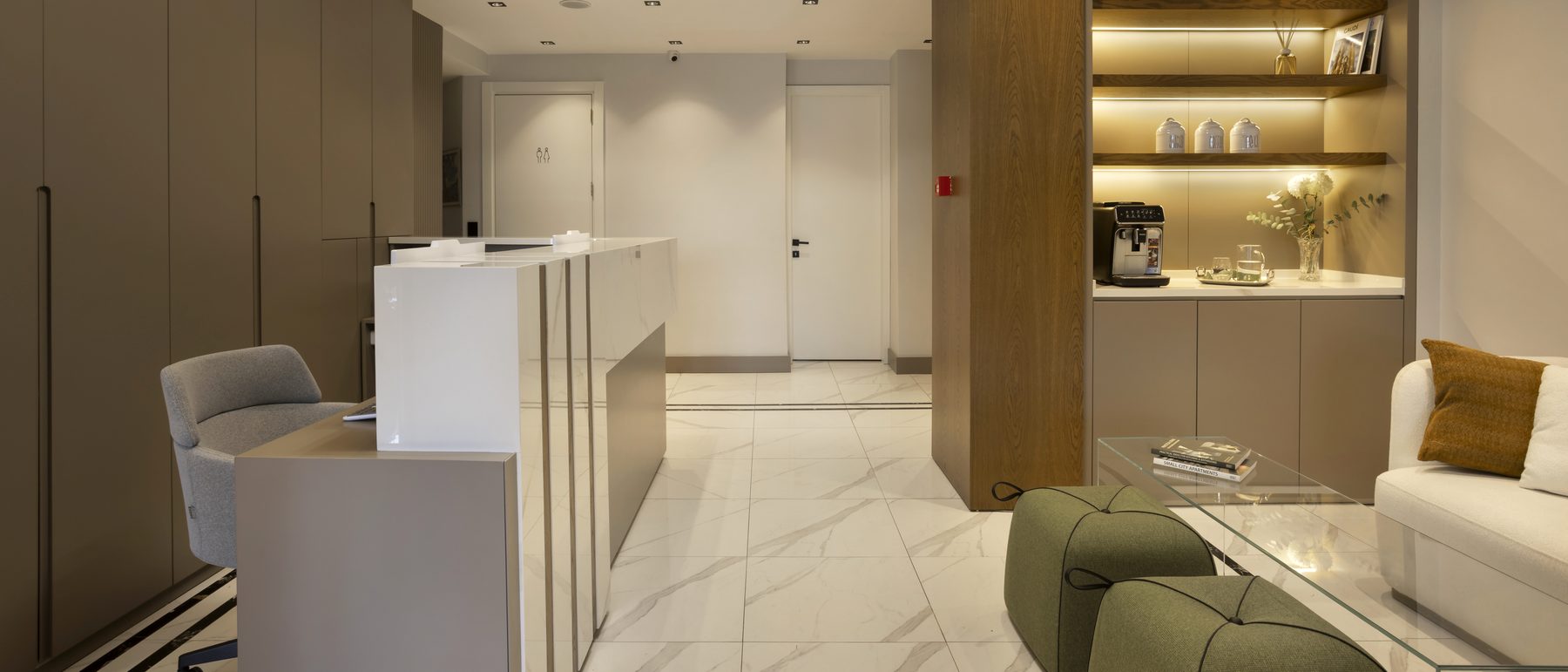
The practice
By appointment only. Appointments are made by phone or WhatsApp; calls are answered by the secretary.
Patient information in Turkish
Detailed pages on these conditions are currently available in Turkish only: uveitis, Behçet uveitis, choroidal melanoma, intraocular tumors, ocular surface tumors, retinal tear, retinal detachment, macular degeneration, diabetic retinopathy, retinal vascular occlusion.
The information on these pages is for general information only and does not replace an examination by a physician. Please consult your physician about your own situation.